Troubled by Signal Interference in Electronic Devices? High-Conductivity Copper Foil Delivers Reliable EMI Shielding Solutions
Source:本站 Time:2026/7/23 15:02:38 frequency:
Many electronics manufacturers encounter recurring headaches: frequent Wi-Fi disconnection on routers, flickering and lagging touch displays on industrial control panels, static noise on Bluetooth headset microphones, and intermittent malfunctions of new energy automotive electronics. Manufacturers spend plenty of time troubleshooting wiring and replacing mainboards, yet failures persist repeatedly.
The root cause usually lies in inadequate electromagnetic interference (EMI) shielding for internal circuits and wiring. External stray electromagnetic waves interfere with normal operation, or internal circuits emit electromagnetic radiation, eventually leading to signal disorder. Among all shielding materials, high-conductivity copper foil stands out with outstanding electrical and magnetic conductivity. It has become the most widely adopted solution against EMI in consumer electronics, telecommunications, and automotive electronics sectors.
Dongguan Hongyunda Electronic Materials has specialized in copper foil accessory manufacturing for years. Drawing on abundant mass-production application experience, we elaborate on the working logic and practical application methods of copper foil shielding.
1. Two Common Categories of EMI in Electronic Devices
Electronics mainly suffer from two types of electromagnetic interference, often misjudged by manufacturers with improper shielding solutions.
External Electromagnetic Wave Intrusion Interference
Electromagnetic waves generated by external motors, power cords and other electronics penetrate equipment enclosures and internal wiring, disrupting normal operation of chips and radio frequency (RF) modules. For instance, industrial control equipment garbles near workshop motors, and home routers deliver unstable internet speed close to televisions. Such issues require wrapping casings and cables with copper foil to block incoming electromagnetic waves.
Internal Radiated Emission Interference
Circuit boards and high-speed cables emit electromagnetic waves during operation, interfering with adjacent electronic components. Typical cases include phone mainboards disturbing touchscreen response and excessive radiation from automotive wiring failing EMC compliance tests. In such scenarios, copper foil is wrapped and grounded to divert stray current and prevent uncontrolled electromagnetic radiation.
Regardless of interference type, the core resolution relies on shielding isolation plus grounding dissipation. The exceptional conductivity of copper foil enables efficient implementation of both functions.
2. Why Copper Foil Outperforms Aluminum Foil and Ordinary Adhesive Tapes for EMI Shielding
Many purchasers struggle to choose between aluminum and copper foil, as the two differ drastically in performance. Copper boasts far higher electrical conductivity than aluminum, delivering superior absorption and reflection of medium-to-high frequency electromagnetic waves. Thus copper foil is prioritized for communications equipment, RF devices and high-frequency circuit boards.
- Superior conductivity quickly guides stray current to ground terminals, preventing charge accumulation and interference.
- Soft texture and excellent ductility allow tight adhesion to bent wiring and curved housings without easy cracking, avoiding breaks in the shielding layer.
- Better oxidation resistance than common metals; copper foil rarely darkens or oxidizes inside sealed equipment, sustaining stable conductivity long-term.
- Multiple customizable structures available: single-conductive copper foil, dual-conductive copper foil, self-adhesive copper foil and non-adhesive bare copper foil, compatible with both soldering and adhesive bonding processes.
Ordinary insulating tapes and plastic films only offer dustproof protection with zero conductivity, incapable of transferring electromagnetic waves and providing no shielding benefit.
3. Practical Copper Foil Shielding Methods for Different Equipment Components
Based on thousands of electronics factories served by Hongyunda, shielding approaches vary distinctly for different components. Full enclosure wrapping is unnecessary.
3.1 Shielding for All Types of Wiring Harnesses
Automotive control cables, network lines, RF cables and internal device wires easily act as antennas transmitting and receiving electromagnetic waves. Tightly wrap wiring harnesses with copper foil and ground both ends. This blocks external wave interference on signals and stops radiation from cables affecting other parts. Self-adhesive copper foil is recommended for mass production; the adhesive ensures tight wrapping without extra binding tape, greatly boosting assembly line efficiency.
3.2 Localized Shielding for Circuit Boards and Chips
On mainboards, Bluetooth, Wi-Fi modules and high-frequency chips are susceptible to surrounding circuit interference. Cut small copper foil pieces to cover chips, with copper foil edges connected to mainboard ground traces to form a simple shielding cover. This cost-effective flexible method is widely applied to compact smartwatches, Bluetooth earbuds and remote controllers.
3.3 Supplementary Shielding for Gaps on Metal Enclosures
Metal cabinets, switches and server shells inherently provide shielding, but seams between metal panels permit electromagnetic wave leakage and penetration. Attach copper foil across joints to electrically connect split metal shells, forming a complete conductive shielding cavity and eliminating shielding loopholes at gaps.
3.4 EMI Shielding & Anti-Static Protection for New Energy Lithium Batteries
The BMS circuit boards and cell connection points of power batteries demand both EMI shielding and static prevention. High-conductivity copper foil creates conductive grounding paths to discharge static electricity and avoid electrostatic breakdown of protection chips. Meanwhile, it insulates electromagnetic waves from vehicle electronics and stabilizes battery management signals.
4. Three Common Missteps Leading to Failed Shielding
4.1 Copper foil applied without grounding
If copper foil fails to connect to ground, electromagnetic waves cannot be conducted away. The copper foil merely acts as regular metal sticker, drastically weakening shielding efficiency. This mistake occurs most frequently.
4.2 Low-purity inferior copper foil selected
Cheap impure copper foil features uneven conductivity, resulting in inconsistent shielding performance. Equipment operation fluctuates randomly with hard-to-diagnose root causes. Some low-grade copper foil oxidizes rapidly, degrading performance within two to three months.
4.3 Indiscriminate replacement of copper foil with aluminum foil
Aluminum foil offers insufficient attenuation for medium and high-frequency signals when used for RF equipment shielding, causing repeated EMC test failures. Factories have to rework and replace materials, incurring extra material and labor expenses.
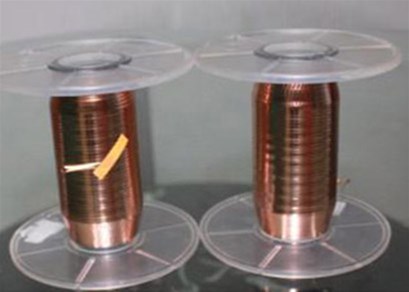
5. Hongyunda High-Conductivity Copper Foil: Multi-industry Customized Shielding Solutions
Dongguan Hongyunda Electronic Materials manufactures a full range of copper foil products, including non-adhesive bare copper foil, self-adhesive single-conductive copper foil and self-adhesive dual-conductive copper foil. Thickness and width can be custom slit to match diverse electronics manufacturing scenarios.
- Stable purity and uniform conductivity across full copper foil rolls. The material withstands tens of thousands of bends without fracture, resists oxidation during long-term service, and maintains steady shielding performance free of early-stage normalcy followed by later failure.
- Customizable adhesive options include high-temperature-resistant glue and residue-free glue. High-temperature self-adhesive copper foil suits heat-prone automotive and power supply devices with stable adhesion under sustained high temperatures. Residue-free copper foil leaves no adhesive residue upon peeling, protecting PCB circuit boards for repairable electronics.
- Wide industry compatibility: ideal for consumer electronics, automotive wiring harnesses, communication base stations, industrial control equipment and energy storage lithium batteries. Dual-conductive copper foil is recommended for high-frequency devices, while single-conductive self-adhesive copper foil is preferred for cable wrapping. Engineers select appropriate grades according to actual working conditions.
- Free sample trials support R&D verification. Customers test shielding performance with samples before bulk ordering to cut trial-and-error costs. Standard sizes are stocked for prompt delivery with controllable lead times for mass orders.
Beyond copper foil, Hongyunda supplies a complete portfolio of auxiliary materials: aluminum foil, conductive foam, filling foam and self-adhesive series. If equipment requires combined shielding, shock absorption and thermal insulation, customers source all materials from one supplier without coordinating multiple vendors.
6. Copper Foil Selection Guidelines
Prioritize high-conductivity copper foil for RF, Wi-Fi, Bluetooth and automotive high-frequency equipment. Aluminum foil is acceptable for air duct thermal insulation and basic low-frequency shielding to optimize overall costs. Select self-adhesive copper foil for high-volume assembly lines to eliminate soldering procedures and save labor hours. Specify residue-free adhesive copper foil for repairable products. Guarantee reliable grounding for copper foil shielding; reserve dedicated grounding points for wiring harnesses and enclosures to guarantee full and effective shielding. Confirm copper foil comes with RoHS and halogen-free test reports for exported goods to facilitate customs clearance and customer factory audits.
EMI issues appear complex yet can be efficiently resolved with proper shielding materials and construction methods. If uncertain which copper foil specification fits your equipment, Hongyunda provides professional selection advice based on equipment operating environments and frequency bands, helping manufacturers implement shielding properly in one go and resolve unstable signals and compliance failures.